

Lumbar Radiculopathy
Lumbar radiculopathy occurs when a nerve root in the lower back is compressed or irritated, leading to pain, numbness, tingling, or weakness that can extend into the buttock, thigh, or leg.
For many patients, symptoms begin as an occasional ache, though ongoing nerve compression left unaddressed can, in some cases, contribute to lasting nerve dysfunction.
At Rivercity Brain & Spine in Hawthorne, Brisbane, Dr Joseph Garcia Redmond assesses and treats nerve root compression in the lower back. With specialised training in minimally invasive spine surgery, he manages lumbar radiculopathy through both conservative care and surgical approaches where appropriate.

The Lumbar Spine and Lumbar Nerve Roots
The lumbar spine comprises five vertebrae in the lower back. Nerve roots exit at each level and contribute to the nerves responsible for sensation and movement in the buttock, leg, and foot. The location of nerve root compression can help explain the pattern of symptoms.
Lumbar Radiculopathy vs Sciatica
Lumbar radiculopathy refers to dysfunction of a lumbar nerve root, while sciatica describes radiating pain associated with irritation of the sciatic nerve or its contributing nerve roots.
Lumbar radiculopathy is a common cause of sciatica, but not all pain described as sciatica originates from lumbar nerve root compression. A clinical assessment helps identify the likely source of symptoms and guide treatment.
Recognising Leg Pain, Numbness, and Nerve Compression
Lumbar radiculopathy can cause radiating leg pain and changes in sensation, with symptoms varying according to the affected nerve root.
Shooting pain or severe pain travelling from the lower back through the buttock and down the leg, sometimes reaching below the knee and into the foot
Pain, numbness, or tingling that follows the path of a specific affected nerve, rather than spreading broadly across the lower back
Pain that can worsen with prolonged sitting, bending, coughing, sneezing, or straining
Difficulty with normal movement, such as standing from a seated position, walking for extended periods, or bending to put on shoes
Muscle weakness, which may affect movement or make it difficult to lift the front of the foot in more severe cases.
Lumbar Radiculopathy vs Neurogenic Claudication
Neurogenic claudication is often associated with lumbar spinal stenosis. Unlike radiculopathy, which typically causes symptoms along the path of a specific nerve root, neurogenic claudication usually causes leg symptoms during standing or walking that ease when sitting or bending forward. Both conditions can occur together, and distinguishing between them helps guide investigations and treatment.
Lumbar Disc Herniation and Other Causes
Several changes within the lumbar spine can cause nerve root compression, including disc herniation, degenerative changes, and spinal stenosis.
Disc Herniation and the Intervertebral Disc
Disc herniation occurs when the inner material of an intervertebral disc pushes through its outer layer and presses on a nearby nerve root. This can cause leg pain to develop more suddenly than symptoms associated with gradual degenerative changes.
Lumbar disc herniation is one of the most common identifiable causes of lumbar radiculopathy.
Degenerative Changes and Spinal Stenosis
Degenerative changes in the lumbar spine, including disc height loss and bone spur formation, can gradually narrow the space around a nerve root.
Spinal stenosis refers to narrowing of the spinal canal or the nerve exit pathway, which can compress one or more nerve roots.
These changes are common with age and do not always cause symptoms, though they can contribute to nerve irritation in some patients.
Reaching an Accurate Diagnosis
Medical History and Physical Examination
A detailed medical history, including when the pain started, its pattern, and what makes it better or worse, helps guide the clinical examination. This examination assesses strength, reflexes, and sensation in the leg to help identify the affected nerve root.
Imaging Studies and Comprehensive Evaluation
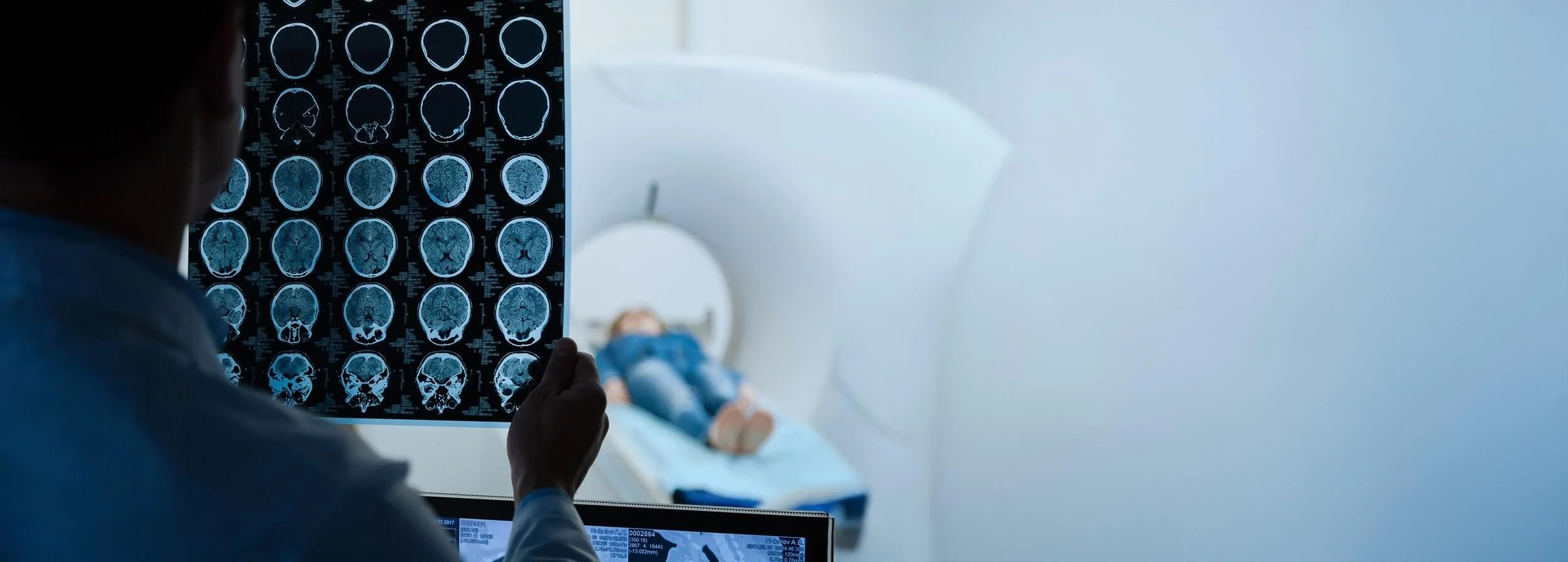
Imaging studies, such as magnetic resonance imaging (MRI) or CT scanning, can help confirm findings such as a herniated disc, spinal stenosis, or nerve root compression.
Nerve conduction studies may be used in some cases to assess nerve function and support a comprehensive evaluation.
Clinical correlation: Imaging results are considered alongside the patient's symptoms, as findings such as disc changes or spinal narrowing do not always explain the cause of their pain.
Treatment for Lumbar Radiculopathy
Conservative Care
Conservative care is generally considered first, particularly when significant or progressive weakness is absent. Options may include physiotherapy, medication such as anti-inflammatory medicines or muscle relaxants, and interventional treatments such as epidural steroid injections.
Minimally Invasive Spine Surgery
Surgery may be considered when conservative care has not provided sufficient relief or when clinical findings, such as progressive weakness, indicate that intervention may be appropriate. Dr Garcia Redmond is a fellowship-trained specialist neurosurgeon with specialised training in minimally invasive spine surgery.
Options may include:
Lumbar microdiscectomy, to remove disc material compressing a nerve root
Decompression or foraminotomy, to relieve pressure on a nerve root affected by spinal stenosis
Endoscopic spine surgery, which uses a small incision and specialised instruments to access the affected area in selected cases
The most appropriate approach depends on the cause and location of nerve root compression, spinal stability, and the patient's individual circumstances. As with any surgery, outcomes vary, and the procedure cannot guarantee symptom relief.
When to Contact Your Healthcare Provider
Most episodes of radiating leg pain are not emergencies. However, certain symptoms require prompt medical assessment rather than waiting for a routine appointment:
New or rapidly progressive leg or foot weakness, including difficulty lifting the front of the foot (foot drop)
Loss of bowel or bladder control, or numbness in the saddle area
Symptoms affecting both legs
These symptoms, particularly changes in bladder or bowel function or saddle numbness, may indicate cauda equina syndrome, a rare but serious condition that can carry a risk of permanent nerve damage if not assessed promptly.
Frequently Asked Questions
Can lumbar radiculopathy cause permanent nerve damage?
Most people with lumbar radiculopathy do not develop permanent nerve damage. However, severe or prolonged nerve compression can sometimes cause lasting problems, particularly if significant weakness or other warning signs are not assessed promptly.
Does lumbar radiculopathy always require surgery?
No. Many cases improve with conservative care and do not require surgery. Surgery may be considered when symptoms persist despite treatment or when clinical findings, such as progressive weakness, indicate that an operation may be appropriate.
Can maintaining a healthy weight help manage lumbar radiculopathy symptoms?
Carrying excess body weight is one of several factors that can place additional strain on the lumbar spine, and maintaining a healthy weight may form part of a broader approach to managing symptoms and supporting spinal health. It is not a standalone treatment, and its relevance varies between patients depending on the underlying cause of their condition.
Can the lumbar radiculopathy symptoms come and go?
Yes, symptoms can fluctuate over time, with periods of improvement followed by flare-ups, particularly in response to activity levels, posture, or prolonged sitting. This pattern does not necessarily indicate the underlying cause has changed, though new or worsening symptoms are still worth discussing with a healthcare provider.
Can it affect both legs at once?
Lumbar radiculopathy often affects one leg, but symptoms can affect both legs in some cases. Bilateral symptoms, particularly alongside changes in bladder or bowel function or numbness in the saddle area, require urgent medical assessment to rule out a serious condition such as cauda equina syndrome.
Our Multidisciplinary Approach in Hawthorne
Specialist Neurosurgical Care: As a fellowship-trained specialist neurosurgeon, Dr Garcia Redmond brings focused expertise in lumbar spine conditions, from initial assessment through to surgical options such as lumbar microdiscectomy and decompression, where appropriate for a patient with lumbar radiculopathy.
Evidence-Based Care: Every recommendation is grounded in current clinical guidelines and research, with the approach adapted to each patient's specific presentation.
Patient-Centred Focus: Imaging only tells part of the story. What matters most is how symptoms are affecting daily life, which is why individual goals and circumstances shape the treatment plan alongside the clinical findings.
Multidisciplinary Collaboration: Surgery, when recommended, rarely happens in isolation. Physiotherapists, pain management specialists, and rehabilitation teams are typically involved to support recovery before and after any procedure.
Advanced Facilities: Procedures are performed across Brisbane hospitals using modern surgical technology, including equipment that supports endoscopic and other minimally invasive spine surgery techniques.
Convenient Location: The Hawthorne consulting rooms, at 87 Riding Road, offer convenient onsite parking and are accessible via public transport.
REQUEST A CONSULTATION
Lumbar Radiculopathy Specialist Brisbane
Ongoing leg pain or weakness that hasn't settled with conservative treatment is worth discussing with a specialist. A referral from your GP or specialist is required to request a consultation for a tailored assessment of your lumbar radiculopathy.
From there, Dr Garcia Redmond and the Rivercity Brain & Spine team will determine whether non-surgical care, minimally invasive spine surgery, or another surgical approach best suits your particular case.